
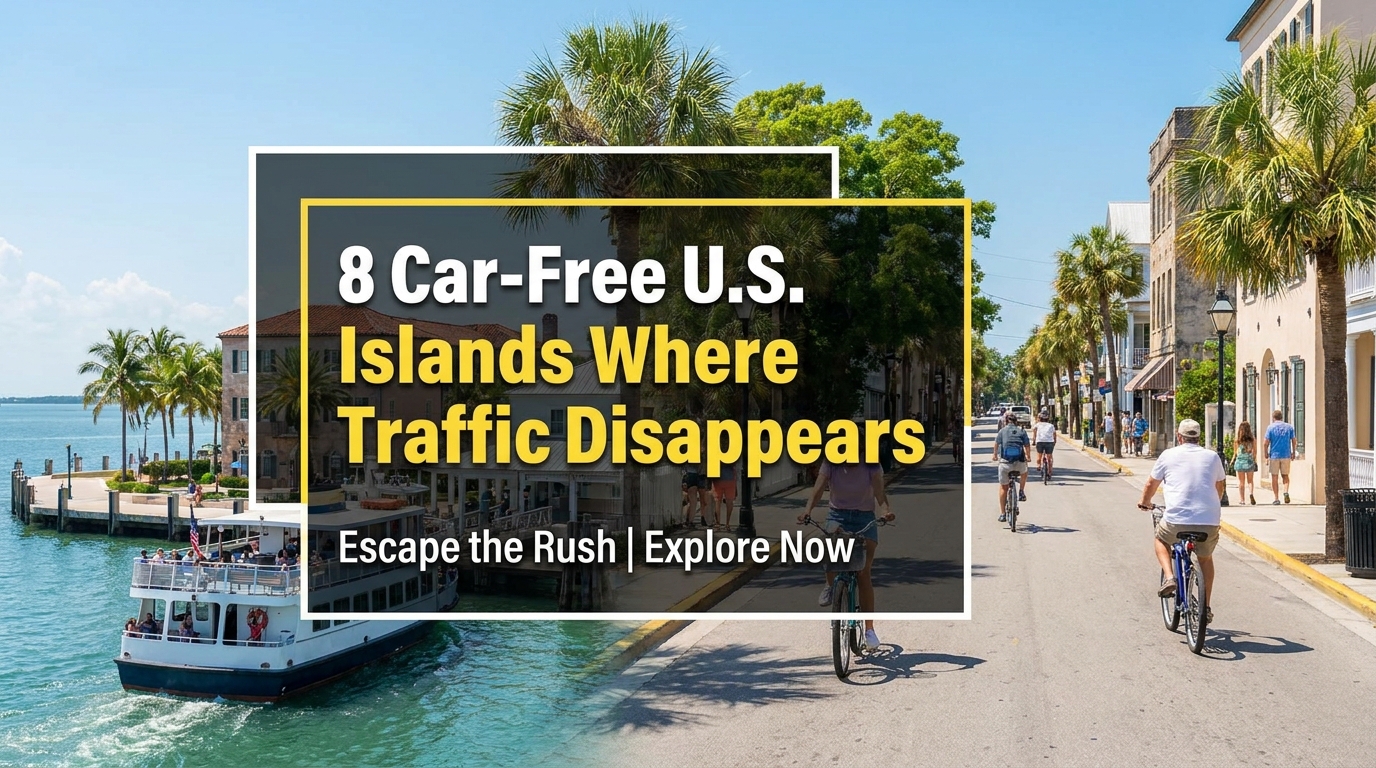


Eight car-free U.S. destinations let travelers replace traffic, parking fees, and rental-car queues with bicycles, ferries, boardwalks, golf carts, and walking trails. The list stretches from Michigan and Maine to Alaska, Virginia, New York, and the southeastern coast.
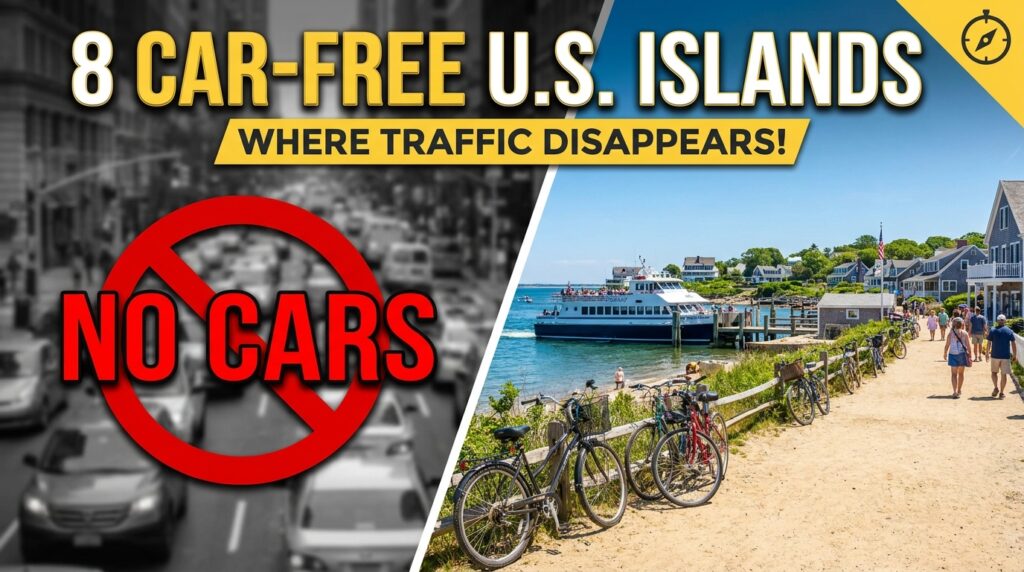
These places are not interchangeable, however. Mackinac Island is a well-developed vacation destination, Fire Island contains several distinct communities, and Dewees Island is primarily private. Choosing the right island depends on whether you want beaches, hiking, wildlife, restaurants, or genuine isolation.
Here is what travelers actually need to know before leaving the car behind.
Which Car-Free U.S. Destination Is Best for Your Trip?
Mackinac Island is the easiest choice for a classic vacation, while Monhegan Island is stronger for hiking and Little St. Simons Island is best for guided nature experiences.
| Destination | Best for | Main transport | Important limitation |
|---|---|---|---|
| Mackinac Island, Michigan | First-time car-free vacation | Bicycle, walking, horse carriage | Busy during summer |
| Bald Head Island, North Carolina | Beaches and family stays | Golf cart, bicycle | Ferry planning is essential |
| Fire Island, New York | Beaches and social atmosphere | Walking, ferry, water taxi | Communities are spread out |
| Monhegan Island, Maine | Coastal hiking and art | Walking | Rugged trails and limited services |
| Little St. Simons Island, Georgia | Wildlife and guided nature | Boat and guided transport | Access is controlled |
| Dewees Island, South Carolina | Private, quiet retreats | Golf cart and walking | Not open to general day-trippers |
| Halibut Cove, Alaska | Remote scenery and art | Boat and walking | Weather affects access |
| Tangier Island, Virginia | Chesapeake culture and seafood | Walking, bicycle, golf cart | Limited services and schedules |
1. Mackinac Island Is America’s Easiest Car-Free Vacation
Mackinac Island is the best all-round choice for travelers who want a car-free trip without giving up hotels, restaurants, shops, attractions, or organized transport.
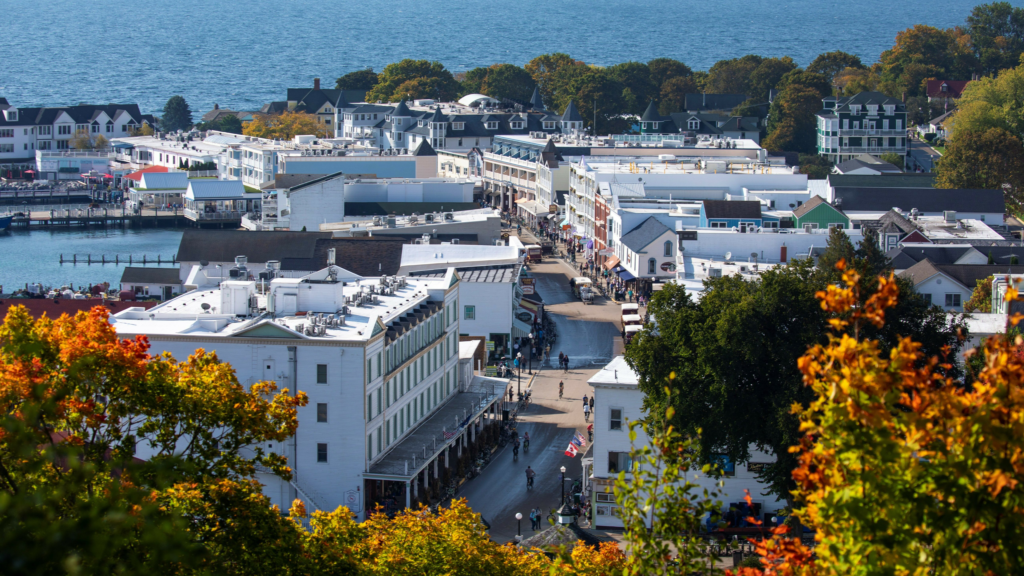
The Michigan island has operated without regular motor vehicles for more than a century. Visitors move around by bicycle, on foot, horseback, or horse-drawn carriage. Its official tourism bureau says the island also contains more than 70 miles of trails, making it possible to escape the busy downtown streets without travelling far.
Popular experiences include:
- Cycling the road around the island
- Visiting Fort Mackinac
- Walking to Arch Rock
- Hiking through Mackinac Island State Park
- Trying locally made fudge
- Taking a horse-drawn carriage tour
What Travelers Often Get Wrong About Mackinac Island
Do not assume the entire island feels quiet just because it has no cars. Ferry arrivals can make the downtown area crowded, and bicycle traffic becomes surprisingly intense during peak summer hours.
The smarter approach is to explore downtown early, then move inland after late-morning ferries arrive. When renting a bicycle, test the brakes and seat height before leaving the shop. A small adjustment at the rental counter is far easier than fixing an uncomfortable bike halfway around the island.
Learn more through the official Mackinac Island transportation guide.
2. Bald Head Island Replaces Cars With Golf Carts and Bicycles
Bald Head Island is a strong car-free beach destination for families and groups staying several nights. Visitors reach the North Carolina island by passenger ferry or private boat, while personal cars remain on the mainland.
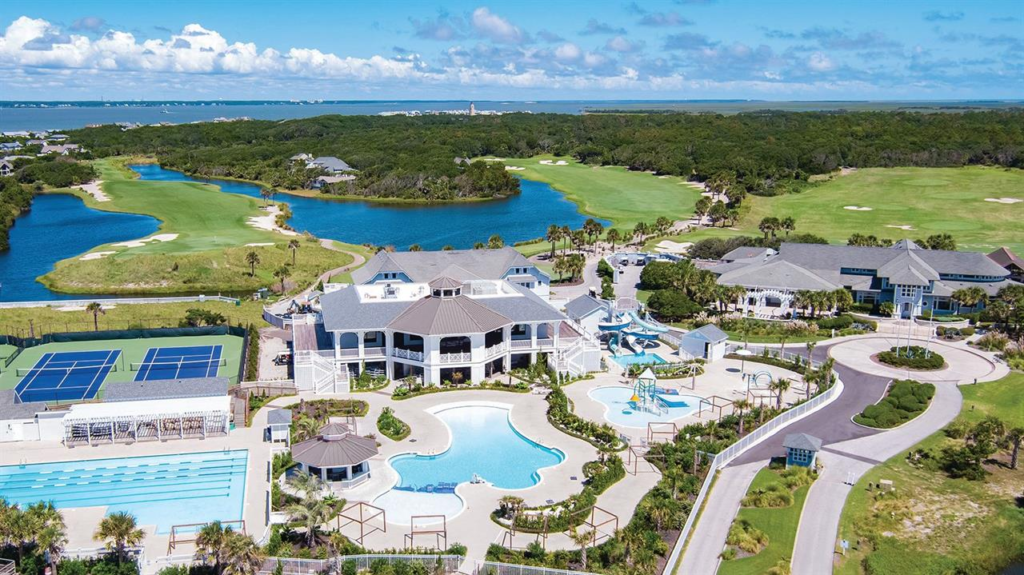
The standard ways to move around are golf cart, bicycle, tram, and walking. The passenger ferry crossing from the mainland takes about 20 minutes.
The island combines:
- Atlantic beaches
- Salt marshes
- Maritime forest
- Cycling routes
- Kayaking
- The historic Old Baldy lighthouse
What Should You Book Before Visiting Bald Head Island?
Reserve the ferry, mainland parking, accommodation, and golf cart before arriving. A car-free island still requires transport planning, especially when luggage, children, groceries, or a holiday weekend are involved.
Confirm whether your rental includes a golf cart. Do not assume every property provides one, and check how many passengers it legally carries.
The Bald Head Island transportation information explains ferry access and island travel.
3. Fire Island Offers Beaches Without Traditional Roads
Fire Island is the best car-free option for travelers coming from the New York City area, but choosing the correct community is more important than choosing the island itself.
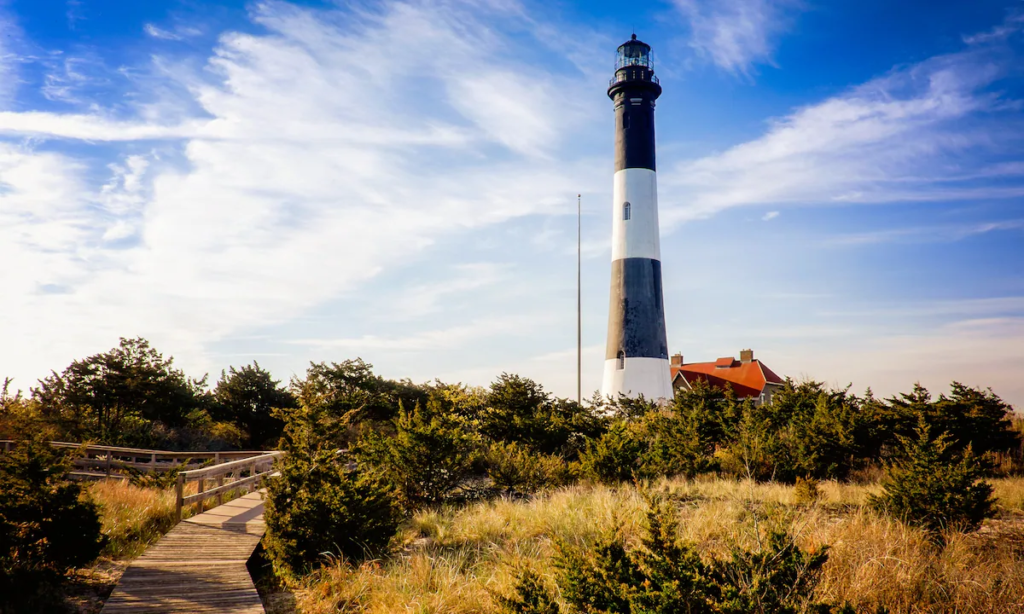
The barrier island stretches along Long Island and contains separate beach communities with different ferry connections, facilities, and atmospheres. Much of the island has no conventional road network for visitors, although vehicles with limited permits and emergency or service functions do operate in certain areas.
The National Park Service confirms that travelers can drive to either end of Fire Island National Seashore but cannot drive continuously across the island. Passenger ferries provide seasonal access from Long Island.
Fire Island is known for:
- Long Atlantic beaches
- Boardwalk-linked communities
- Fire Island Lighthouse
- The Sunken Forest
- Wildlife viewing
- LGBTQIA+-friendly communities and nightlife
Which Fire Island Community Should You Choose?
Choose your ferry terminal only after deciding where you want to stay. Fire Island is not one compact village where every attraction is a short walk away.
A traveler who books accommodation in one community and takes a ferry to another may need a water taxi or a long walk with luggage. Check the exact ferry route before purchasing train tickets or reserving mainland parking.
Use the National Park Service Fire Island guide for access and transport details.
Also read – Puglia Named the World’s Most Underrated Summer Getaway
4. Monhegan Island Is Best for Hikers and Slow Travel
Monhegan Island is ideal for travelers who value rocky coastal trails, art, and simple island life more than polished resort facilities.
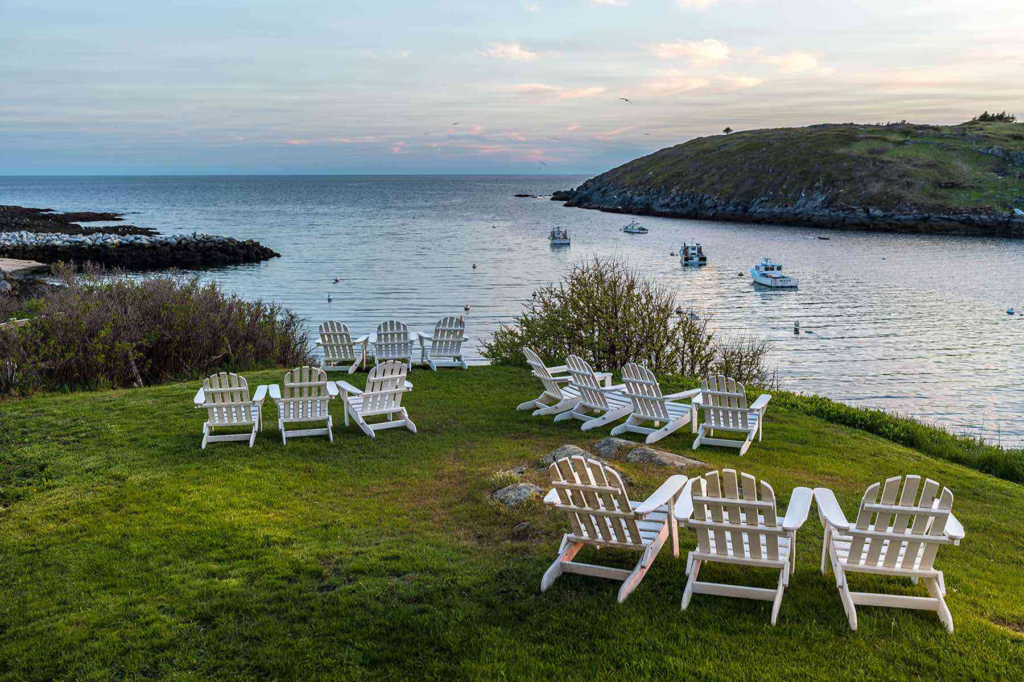
Located off the Maine coast, the small island is reached by boat. Visitors leave their vehicles at mainland ferry terminals and explore on foot. Its landscape includes a compact village, forest paths, coastal cliffs, artist studios, a lighthouse, and seasonal places to eat.
The island’s visitor information warns that wheeled vehicles, including strollers, are not permitted on hiking trails. It also advises visitors to use water and electricity carefully because island resources are limited.
What Should You Pack for Monhegan Island?
Pack for uneven ground and changing coastal weather, even on a day trip.
Bring:
- Shoes with reliable grip
- A light waterproof layer
- Drinking water
- Sun protection
- A small snack or picnic
- Motion-sickness treatment when needed
- A downloaded map or paper trail map
Do not arrive expecting smooth, accessible promenades across the entire island. The village is relatively compact, but the most rewarding coastal routes can be rocky, steep, wet, and exposed.
Check ferry and visitor guidance through the official Monhegan Island visitor site.
5. Little St. Simons Island Protects More Than 11,000 Acres
Little St. Simons Island is best for travelers seeking wildlife, undeveloped landscapes, and expert-led outdoor activities rather than an independent beach town.
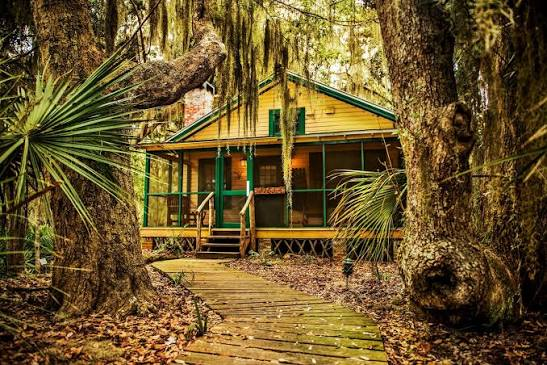
The Georgia barrier island covers more than 11,000 acres of largely undeveloped wilderness and is accessible by boat. Visitors can join approved day experiences or stay at the island’s private lodge, where naturalist-led activities are a central part of the trip.
Experiences may include:
- Birdwatching
- Beach walks
- Guided nature tours
- Fishing
- Kayaking
- Cycling
- Wildlife observation
Can Anyone Visit Little St. Simons Island?
Access must be arranged in advance. This is not an island where travelers can arrive on a public ferry, wander freely, and decide later where to sleep.
Book directly through The Lodge on Little St. Simons Island and confirm what meals, activities, boat transfers, and equipment are included.
6. Dewees Island Is Private and Has No Public Tourist Center
Dewees Island is a private residential community, not a conventional public vacation island. It sits north of Charleston and contains private homes, natural areas, beaches, and community facilities.
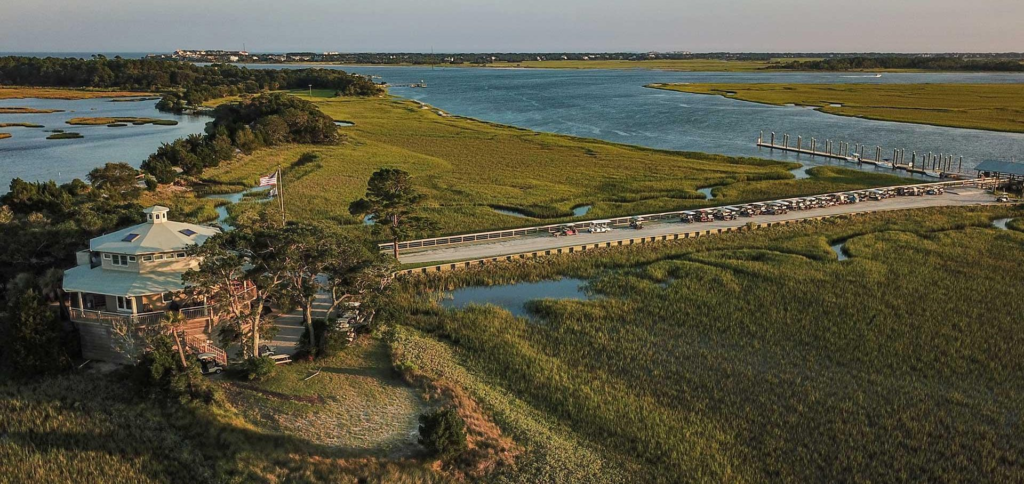
Gas-powered vehicles are restricted, while residents and approved guests can use electric golf carts. The island has no conventional collection of public restaurants, supermarkets, or tourist shops. Access is primarily for residents, property owners, rental guests, and invited visitors.
Can Tourists Take a Day Trip to Dewees Island?
General sightseeing visits are not the normal way to experience Dewees Island. Travelers need an eligible accommodation booking or an invitation connected to a property owner.
Bring groceries and personal supplies according to the instructions provided by your host. Forgetting a basic item becomes more complicated when there is no shop around the corner.
Review current access details through the Dewees Island community website.
7. Halibut Cove Offers an Alaska Escape Without Roads
Halibut Cove is the most remote-feeling destination on this list, combining dramatic Alaska scenery with a tiny community of artists, craftspeople, lodge operators, and commercial fishermen.
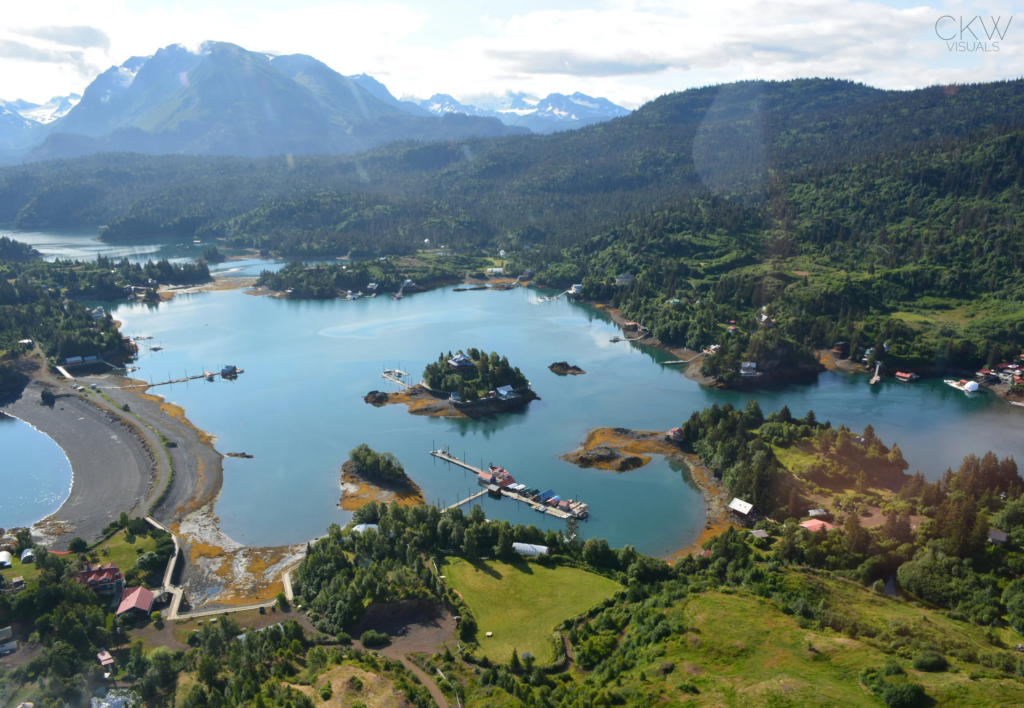
The village lies across Kachemak Bay and has no road connection. Visitors arrive by boat, then move through the community on foot and along waterfront boardwalks. Accommodation is limited to a small number of lodges, cabins, guesthouses, and cottages.
What Can Disrupt a Halibut Cove Trip?
Marine weather can change boat schedules and comfort levels quickly. Build flexibility into the itinerary rather than arranging a tight same-day connection with a flight or long drive.
Pack layers even when the mainland forecast looks mild. Conditions on the water can feel colder, wetter, and windier than conditions at the departure dock.
The official Travel Alaska guide to Halibut Cove provides destination information.
8. Tangier Island Preserves Chesapeake Bay Waterman Culture
Tangier Island is best for travelers interested in Chesapeake Bay history, working-waterfront culture, blue crab, and a community shaped by the water.
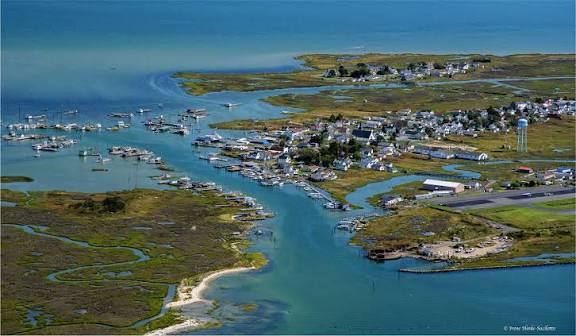
The Virginia island is accessible by ferry, private boat, or small aircraft. Its narrow routes are more suited to walking, cycling, scooters, and golf carts than standard visitor vehicles.
Travelers can:
- Visit the Tangier History Museum
- Eat local crab and seafood
- Walk or cycle through the community
- Kayak around the island
- Spend time on the beach
- Learn about the island’s waterman traditions
What Should You Know Before a Tangier Island Day Trip?
Confirm both the outbound and return schedule before boarding. Ferry operations can vary by departure port, season, weather, and day of the week.
Carry some cash and do not depend on finding every mainland service after arrival. A compact island can still leave travelers stranded when they misunderstand the final boat departure.
Are Car-Free Islands Suitable for Travelers With Limited Mobility?
Some car-free destinations are accessible with advance planning, but “no cars” does not automatically mean easy walking.
Cobblestones, sand, hills, ferry ramps, unpaved paths, boardwalks, and steep trails can make movement difficult. Before booking, ask specific questions rather than relying on a general “accessible” label:
- Is the ferry ramp level or steep?
- Is luggage assistance available?
- Can a mobility device enter the transport vehicle?
- Does the accommodation have steps?
- Are restaurants reachable without using sand or rough trails?
- Is an accessible restroom available near the dock?
- What happens when tides or weather alter boarding conditions?
Mackinac Island offers horse-drawn taxi services and wheelchair rentals through several bicycle vendors, but individual accommodation and attraction access still needs to be checked.
What Should You Pack for a Car-Free Island Vacation?
Pack lighter than you would for a road trip because every bag must cross a dock, enter a ferry, and travel to your accommodation without a personal vehicle.
A practical packing list includes:
- One wheeled suitcase or easy-to-carry duffel
- Comfortable walking shoes
- A compact rain jacket
- Refillable water bottle
- Portable phone charger
- Sun protection
- Small flashlight
- Essential medication
- Motion-sickness treatment
- Offline confirmations and ferry tickets
Avoid packing several loose bags. Three small items often become more difficult to manage than one properly organized suitcase when boarding a ferry or walking along a narrow boardwalk.
What Happens If You Miss the Last Ferry?
Contact the ferry operator immediately and tell your accommodation or mainland parking provider. Do not assume another public boat will run later.
Follow these steps:
- Confirm that the departure has actually closed.
- Ask whether a later ferry, water taxi, or approved private boat operates.
- Request the full price before accepting private transport.
- Never board an unlicensed or unsafe vessel.
- Arrange accommodation if no safe crossing remains.
- Notify anyone expecting your arrival.
The best prevention is to save a screenshot of the final departure time and arrive at the dock at least 30 minutes early, or earlier when the operator instructs.
Which Car-Free U.S. Island Should You Choose?
Choose Mackinac Island for convenience, Monhegan for hiking, Bald Head Island for a family beach stay, Fire Island for social energy, and Little St. Simons Island for guided nature.
Dewees Island suits travelers with legitimate private access. Halibut Cove rewards those comfortable with remote logistics, while Tangier Island offers a culturally distinctive Chesapeake Bay visit.
The real pleasure of these destinations is not simply the absence of cars. It is what replaces them: the sound of bicycle bells, footsteps on wooden boardwalks, ferry horns across the water, horse-drawn carriages, and enough time to notice the landscape between one stop and the next.