
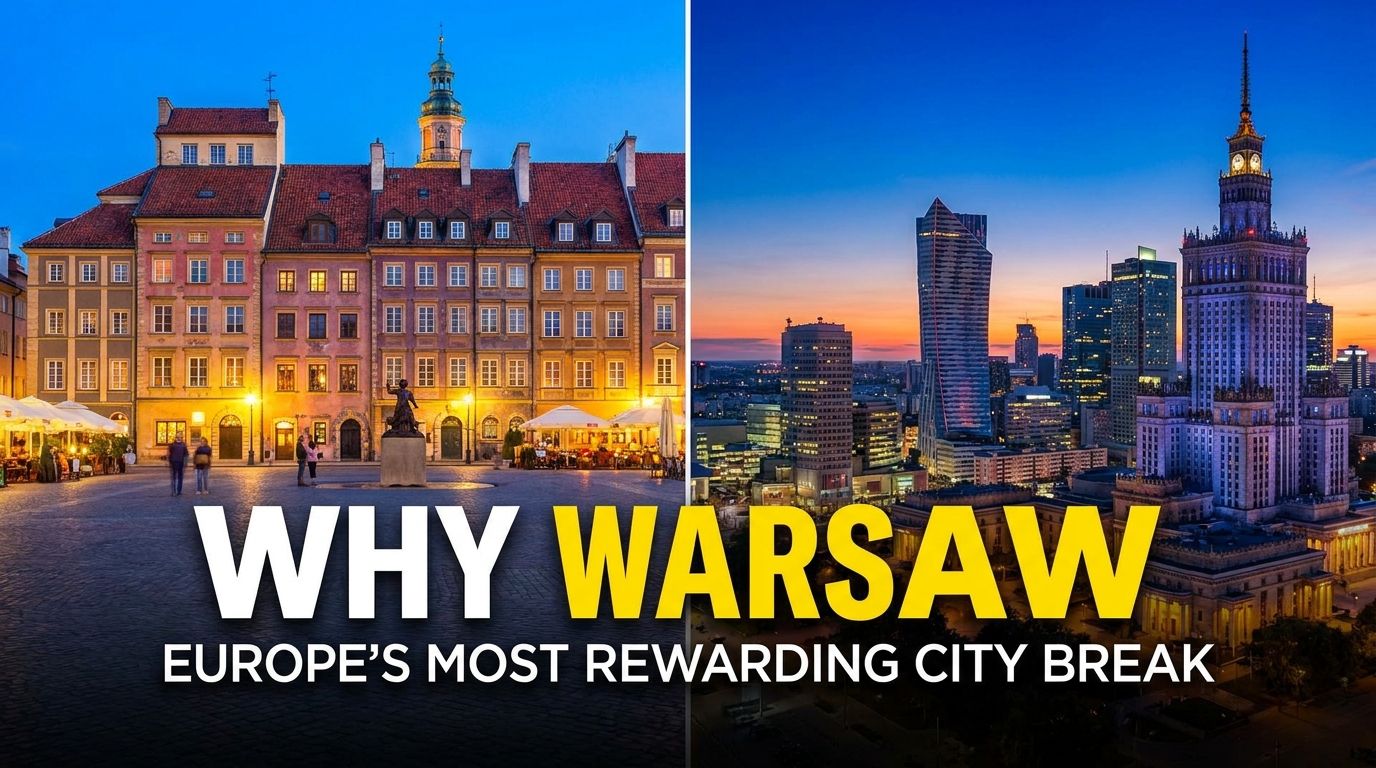


Warsaw is one of Europe’s best city breaks for travelers who want serious history, creative food, green spaces, strong public transport, and modern culture without the constant tourist pressure found in better-known capitals. Poland’s capital rewards curiosity. Its most memorable places are not confined to one photogenic center, and its identity cannot be understood through Old Town alone.
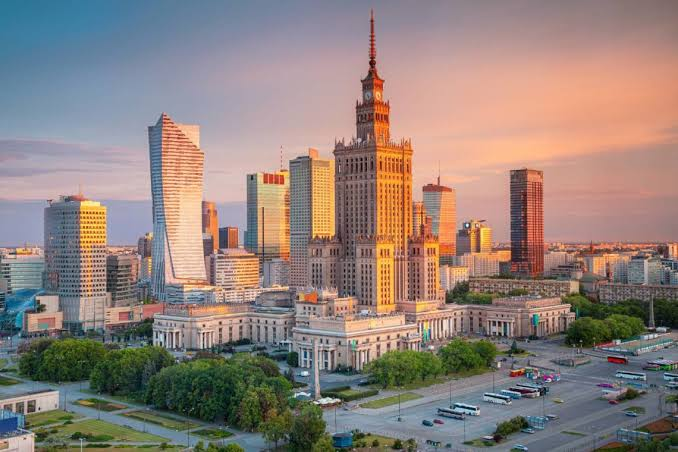
The city works best over three or four days. That gives you time to explore the reconstructed historic center, visit at least one major museum, walk through Łazienki Park, cross the Vistula to Praga, and experience Warsaw’s modern food and arts scene without turning the trip into a checklist.
Why Is Warsaw Worth Visiting Now?
Warsaw is worth visiting because it combines a powerful past with a confident, fast-changing present. You can begin the morning among reconstructed townhouses, spend the afternoon inside a bold contemporary art museum, and finish beside the Vistula at a casual riverside bar.
The city’s official tourism office describes Warsaw as one of Europe’s greenest capitals, with historic gardens, riverside walks, cultural venues, and distinct neighborhoods that make it easy to combine sightseeing with slower outdoor time.
Warsaw is particularly strong for travelers who value:
- Museums that explain rather than simply display
- Reliable trams, buses, trains, and metro services
- Polish food beyond basic pierogi
- Large parks within the city
- Historic places with real context
- A modern skyline that feels genuinely lived-in
- Better value than many Western European capitals
The key is to stop treating Warsaw as a substitute for Kraków. It offers a different trip: larger, more complicated, less polished in places, and more revealing about modern Poland.
How Many Days Do You Need in Warsaw?
Three full days are enough for Warsaw’s essential sights, while four days allow time for Praga, Wilanów, or a slower museum-focused itinerary.
| Trip length | What you can realistically cover |
|---|---|
| 1 day | Old Town, Royal Route, one viewpoint, Polish dinner |
| 2 days | Add Łazienki Park and one major history museum |
| 3 days | Add Praga, the Vistula riverfront, food halls, modern Warsaw |
| 4 days | Add Wilanów Palace, more museums, markets, and relaxed evenings |
| 5 days or more | Explore neighborhood cafés, galleries, parks, and nearby day trips |
Do not schedule POLIN Museum and the Warsaw Rising Museum back to back. Both demand attention and emotional energy. Visit one major historical museum per day, then balance it with a park, neighborhood walk, or relaxed meal.
Warsaw Old Town Is a Story of Reconstruction, Not Preservation
Warsaw’s Old Town matters because it was painstakingly rebuilt after catastrophic wartime destruction. It is not simply a preserved medieval district.
More than 85 percent of Warsaw’s historic center was destroyed during World War II. After the war, residents carried out an extensive reconstruction campaign that restored its churches, palaces, market square, and historic street plan. UNESCO recognizes the area as an outstanding example of near-total urban reconstruction.
That knowledge changes how the district feels. The colorful façades are not pretending the destruction never happened. They show how a city used architecture to recover its cultural identity.
What Should You See in Warsaw Old Town?
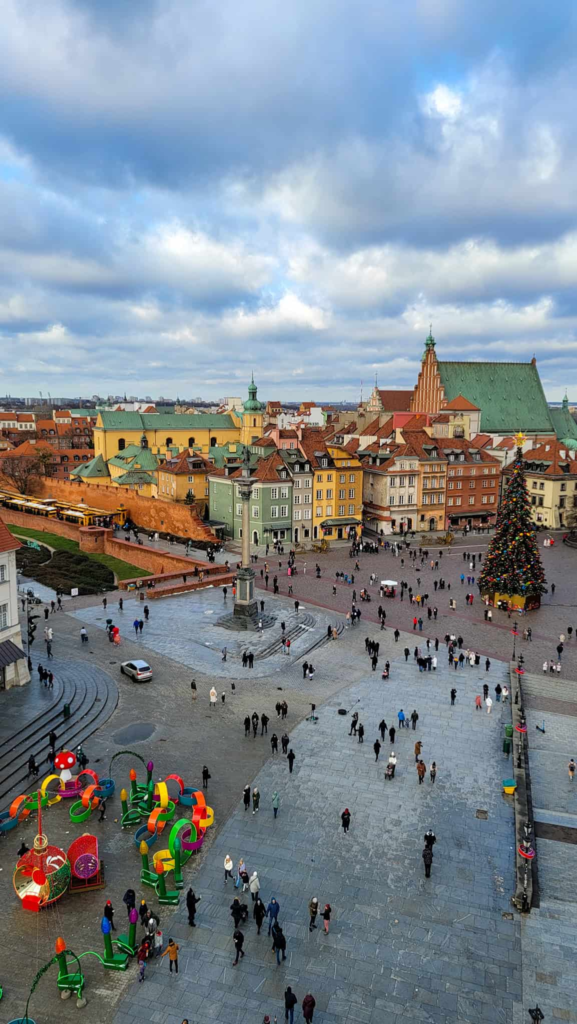
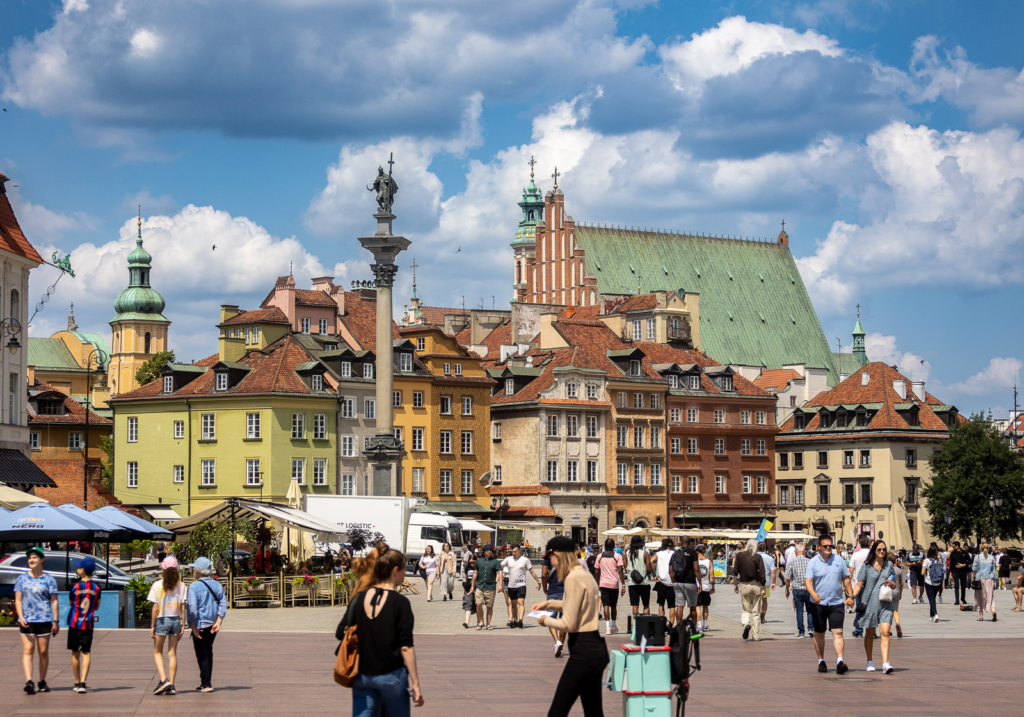
Start at Castle Square and walk slowly toward the Old Town Market Square rather than rushing directly to the mermaid statue.
The most useful route includes:
- Castle Square for the first wide view of the historic center
- The Royal Castle for royal interiors and art
- Świętojańska Street for churches and narrow lanes
- Old Town Market Square for reconstructed townhouses
- The city walls and Barbican for a quieter northern edge
- New Town for fewer groups and more relaxed cafés
Go before 9 a.m. for quiet streets, delivery bicycles, opening cafés, and soft morning light. By midday, organized groups often fill the most compact lanes.
The Royal Route Is Warsaw’s Best First Walk
The Royal Route gives first-time visitors the clearest introduction to Warsaw’s architecture, public spaces, and changing character.
The route connects the Old Town area with Krakowskie Przedmieście, Nowy Świat, and the southern royal residences. Along the central section, you pass churches, university buildings, monuments, historic hotels, cafés, and government landmarks.
A practical first-day route is:
- Begin at Castle Square
- Walk down Krakowskie Przedmieście
- Continue along Nowy Świat
- Pause around Three Crosses Square
- Take a bus south toward Łazienki Park
Do not judge Nowy Świat only by its most commercial stretch. Side streets often have the better cafés, courtyards, bookstores, and restaurants.
Łazienki Park Is the Best Place to Slow Down
Łazienki Park is Warsaw’s most satisfying break from museums and city traffic. The large royal garden contains water, woodland paths, historic buildings, sculptures, and the Palace on the Isle.
The park is not best experienced as a race between landmarks. Walk without a strict route, especially in the morning when paths are quieter and the city still feels distant.
Between May and September, the park traditionally hosts open-air Chopin concerts near the composer’s monument. Current dates and times should always be checked through Warsaw’s official events listings before visiting.
A Better Way to Visit Łazienki Park
- Enter with at least 90 minutes available
- Bring a light layer because shaded paths can feel cooler
- Avoid feeding squirrels or peacocks
- Check palace opening times separately from park access
- Combine the visit with nearby Ujazdów or Mokotów
- Attend a concert early because seats and viewing areas fill quickly
The useful little detail is footwear. The park looks formal in photographs, but a proper visit involves far more walking than many travelers expect.
Which Warsaw Museums Are Actually Worth Your Time?
The Warsaw Rising Museum and POLIN Museum are the two strongest choices for understanding the city, but they tell different stories.
Warsaw Rising Museum
Visit the Warsaw Rising Museum to understand the 1944 uprising and its impact on residents, resistance fighters, and the city itself.
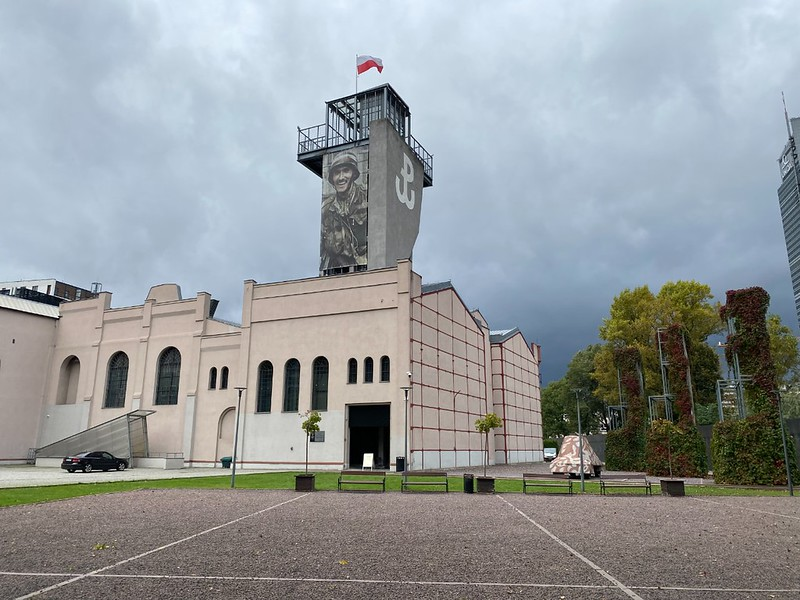
The multimedia exhibition is dense, dramatic, and often emotionally difficult. The museum estimates that visitors need roughly two hours, although history-focused travelers may stay longer. It is closed on Tuesdays, and official hours can change around commemorations or special events.
Practical advice: Book ahead, use the English audio material, and do not plan a rushed lunch reservation immediately afterward.
POLIN Museum of the History of Polish Jews
Visit POLIN to understand 1,000 years of Jewish life in Poland, not only the Holocaust.
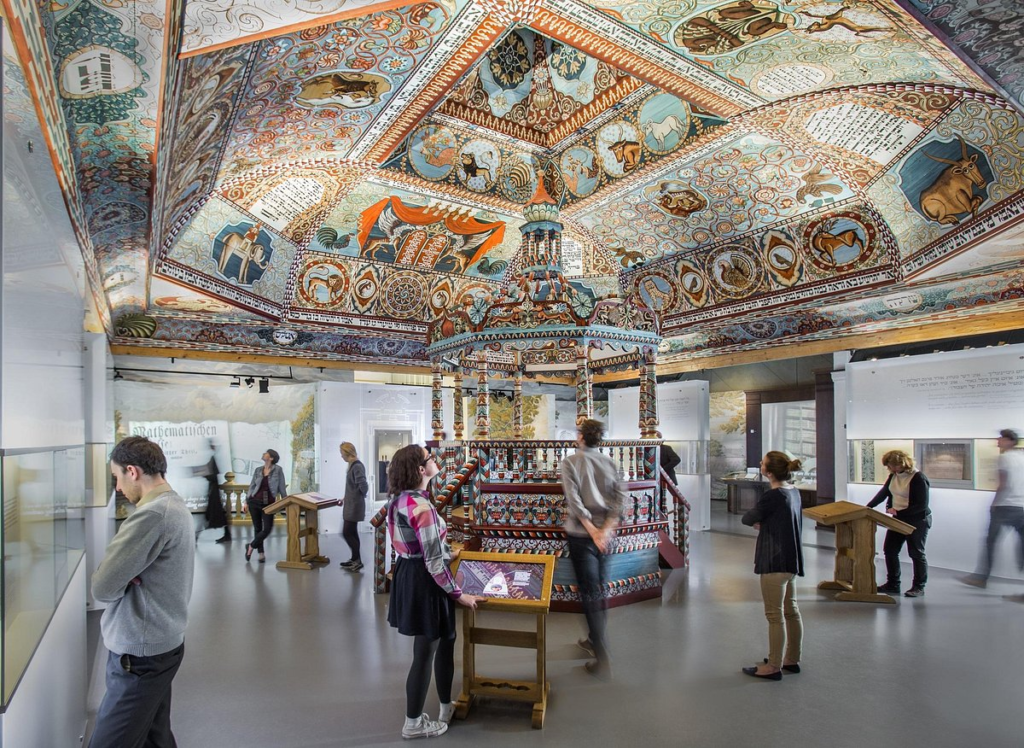
That distinction is essential. The museum places Jewish culture, religion, trade, family life, politics, creativity, and conflict within a much longer historical story. Give the core exhibition at least two to three hours.
Pair POLIN with the Monument to the Ghetto Heroes and a thoughtful walk through the former ghetto area. Avoid treating the surrounding memorial sites as backdrops for posed photographs.
Museum of Modern Art in Warsaw
Visit the Museum of Modern Art for the clearest view of Warsaw’s current cultural confidence.
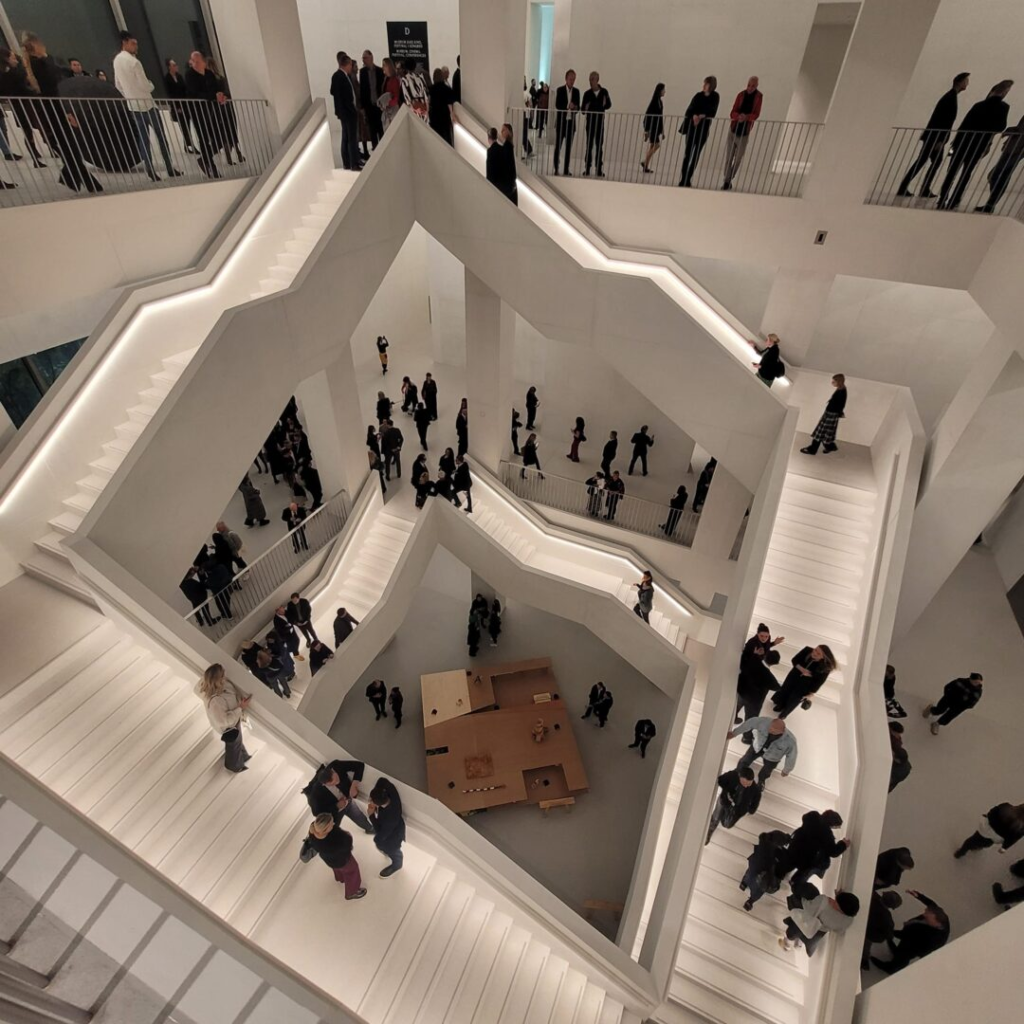
The institution opened its purpose-built central home in 2024 near the Palace of Culture and Science. Its architecture, large windows, Polish art, and prominent city-center position make it more than a rainy-day alternative.
Where Should First-Time Visitors Stay in Warsaw?
Stay in Śródmieście for convenience, Old Town for atmosphere, Powiśle for riverside energy, or Praga for a more local and creative experience.
| Area | Best for | What to know before booking |
|---|---|---|
| Śródmieście | First visits, transport, restaurants | Central but can feel busy and businesslike |
| Old Town | Historic atmosphere and early walks | Tourist-heavy and less convenient for some nightlife |
| Powiśle | Vistula walks, cafés, contemporary Warsaw | Best properties can cost more |
| Praga | Art, character, local streets | Choose the exact location carefully |
| Mokotów | Longer stays and quieter evenings | Farther from headline attractions |
| Wola | Modern hotels and Warsaw Rising Museum | Some sections feel corporate after work hours |
For most first-time travelers, central Śródmieście near a metro or tram stop is the safest choice. You can reach Old Town quickly while also having direct transport to museums, restaurants, and the main railway station.
Praga Shows a Different Side of Warsaw
Praga is worth visiting for street-level character, creative spaces, older buildings, and a less curated view of the city.
Located across the Vistula, the district feels noticeably different from central Warsaw. Its attractions are more scattered, so it rewards travelers who enjoy walking with a purpose rather than simply following one landmark after another.
Useful stops include:
- Praga Museum
- Koneser complex
- Local courtyards and religious shrines
- Street art
- Independent cafés and bars
- Vistula-side paths
Do not wander into private courtyards as though they are public attractions. Some contain religious shrines or residential spaces that matter deeply to local communities.
Where Can You See the Best Warsaw Skyline?
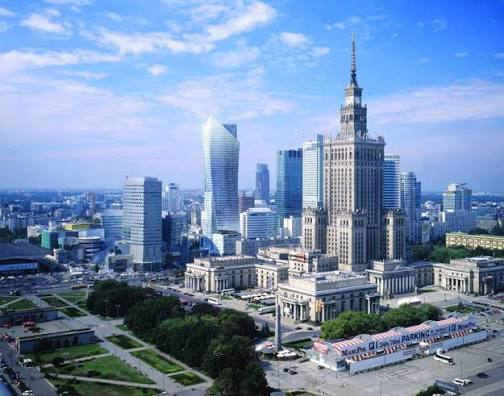
Warsaw’s best skyline views reveal the contrast between reconstructed roofs, socialist-era architecture, and modern glass towers.
Strong viewpoints include:
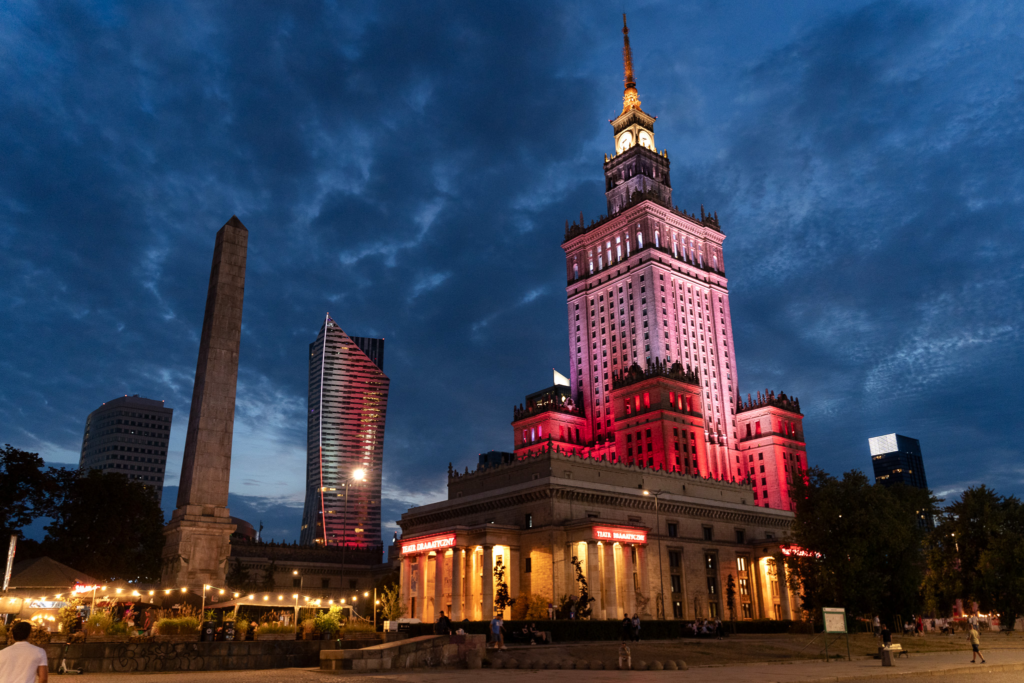
- Palace of Culture and Science observation terrace
- St. Anne’s Church tower
- Warsaw University Library rooftop garden
- Vistula riverbank
- High-rise viewing terraces with advance booking
Choose according to the view you want. St. Anne’s tower gives a strong Old Town perspective, while central high-rise terraces show Warsaw as a modern European capital.
Avoid arriving at sunset without checking admission rules. Popular viewpoints may use timed entry, security checks, seasonal schedules, or weather-related closures.
What Should You Eat in Warsaw?
Eat both traditional Polish dishes and the modern food that reflects Warsaw’s international character.
Begin with:
- Pierogi with savory or seasonal fillings
- Żurek, a sour rye soup
- Barszcz, beet soup often served with dumplings
- Placki ziemniaczane, potato pancakes
- Gołąbki, stuffed cabbage rolls
- Pączki, filled Polish doughnuts
- Sernik, Polish cheesecake
- Pyzy, soft potato dumplings associated with Warsaw
For an inexpensive lunch, try a bar mleczny, or milk bar. These cafeteria-style eateries serve Polish comfort food at lower prices, though the ordering process may feel fast and functional.
The official tourism office describes Warsaw’s food scene as a mix of traditional restaurants, casual milk bars, modern dining, food markets, and a particularly strong vegetarian and vegan offering.
How to Order at a Warsaw Milk Bar
Read the menu before reaching the counter because staff may expect a quick order.
A simple approach:
- Photograph or translate the menu before joining the queue.
- Choose a soup, main dish, and side.
- Pay at the cashier.
- Take the receipt to the collection counter when required.
- Listen for your number or dish.
- Return plates to the correct area after eating.
The service may seem direct rather than unfriendly. Milk bars are working lunch spots, not tourist performances.
Warsaw Food Halls Are Useful, but Choose Carefully
Warsaw’s food halls work well for groups because everyone can order something different, but they are not automatically the city’s most authentic dining experience.
Places in redeveloped industrial buildings combine restaurants, bars, retail, and events. They are convenient in bad weather and lively in the evening, but prices can approach those of full-service restaurants.
Use food halls for:
- A mixed group with different dietary needs
- Drinks and informal dinner
- A quick introduction to local restaurant brands
- A rainy afternoon
- Late opening hours
For a more distinctive meal, book a smaller Polish restaurant in advance and ask what is seasonal.
Is Warsaw Expensive?
Warsaw can still offer strong value, but central hotels, fashionable restaurants, and major attractions are no longer uniformly cheap.
Costs depend heavily on the style of trip. Public transport, milk bars, parks, and neighborhood cafés help control spending, while luxury hotels and high-end dining can match prices in other European capitals.
A practical daily pattern is:
- Breakfast from a bakery or café
- Paid museum in the morning
- Milk-bar lunch
- Free park or neighborhood walk
- Reserved dinner at one stronger restaurant
This approach creates a fuller day than saving money through fast food and then spending hours in expensive tourist cafés.
How Do You Get Around Warsaw?
Warsaw is easy to navigate without a car because buses, trams, metro lines, and local trains cover the central city and outer districts.
The public transport system offers time-based and multi-day tickets. At the time of verification, the official tariff listed a 75-minute Zone 1 ticket at 4.40 zł, a 24-hour Zone 1 ticket at 15 zł, and a 72-hour Zone 1 ticket at 36 zł. Fares can change, so travelers should confirm the current tariff before arrival.
Which Warsaw Transport Ticket Should You Buy?
| Trip style | Most useful option |
|---|---|
| One or two rides | Single time-based ticket |
| Busy sightseeing day | 24-hour ticket |
| Three-day city break | 72-hour ticket |
| Mostly walking | Individual tickets as needed |
Validate paper tickets immediately after boarding when required. A purchased but unvalidated ticket may not be considered valid during an inspection.
Use official ticket machines or recognized transport apps. Do not buy transport tickets from people standing near stations.
How Do You Get From Warsaw Chopin Airport to the City Center?
The easiest budget options from Warsaw Chopin Airport are SKM trains and public buses.
The airport is connected to central Warsaw by local rail and bus services, including a night route. The best choice depends on your hotel’s location rather than the apparent simplicity of one line.
Before boarding:
- Confirm whether your destination is closer to a train or bus stop
- Buy the correct public transport ticket
- Validate it when required
- Keep your luggage within sight
- Ignore unofficial taxi approaches inside the terminal
For taxis, use the official rank or a recognized ride-booking app. Confirm the destination in the app or show the written hotel address before departure.
Also read – Puglia Named the World’s Most Underrated Summer Getaway
How Do You Avoid Taxi Problems in Warsaw?
Use an official taxi queue or app-based ride, and never accept a vague verbal fare from someone approaching inside a station or airport.
Before the ride:
- Enter the exact destination yourself.
- Check the estimated price.
- Confirm the number plate.
- Make sure the driver begins the correct trip.
- Request a receipt if the fare appears wrong.
Do not negotiate with an unlicensed driver who claims the meter is broken. Leave the vehicle before departure and order another ride.
What Is the Best Time to Visit Warsaw?
May, June, September, and early October provide the best balance of comfortable weather, long sightseeing hours, and outdoor activity.
Summer brings riverside life, festivals, gardens, and open-air cultural events, but also higher visitor numbers and occasional heat. Winter is colder and darker, yet museums, cafés, concert halls, and seasonal decorations can make it rewarding for travelers who plan more indoor time. Warsaw’s official tourism office highlights outdoor cultural events and long evenings as major features of the warmer months.
| Season | Best reason to visit | Main drawback |
|---|---|---|
| Spring | Parks, mild weather, lighter crowds | Changeable rain |
| Summer | Concerts, riverfront evenings, events | Heat and peak demand |
| Autumn | Comfortable walks and cultural season | Shortening daylight |
| Winter | Museums, cafés, festive atmosphere | Cold and early darkness |
Bring a light waterproof layer in every season. Warsaw’s wide streets and exposed river areas can feel colder or windier than the temperature suggests.
A Smart Three-Day Warsaw Itinerary
Day 1: Old Town and the Royal Route
Use the first day to understand Warsaw’s reconstruction and central geography.
- Castle Square
- Royal Castle or St. Anne’s tower
- Old Town Market Square
- Barbican and New Town
- Krakowskie Przedmieście
- Nowy Świat
- Polish dinner
Day 2: Warsaw’s History and Green Spaces
Pair one major museum with Łazienki Park to avoid emotional and physical overload.
- Warsaw Rising Museum or POLIN
- Long lunch
- Łazienki Park
- Chopin concert when scheduled
- Powiśle or riverfront evening
Day 3: Modern Warsaw and Praga
Use the final day to see the city beyond its central monuments.
- Palace of Culture viewpoint or Museum of Modern Art
- Lunch at a milk bar or food hall
- Cross the Vistula
- Explore Praga
- Return for a skyline view or reserved dinner
What Should Tourists Avoid in Warsaw?
Avoid reducing Warsaw to Old Town, filling every day with museums, or assuming that all historical sites tell the same story.
Common mistakes include:
- Visiting only the reconstructed center
- Booking major museums on consecutive mornings
- Using unlicensed airport taxis
- Forgetting to validate a transport ticket
- Wearing poor shoes on cobbled streets
- Treating memorial sites as casual photo locations
- Ordering only pierogi for every meal
- Assuming Sunday hours match weekday schedules
- Planning distant neighborhoods without checking transport time
- Calling the city cheap without checking current prices
The best Warsaw trips balance history, contemporary culture, food, and outdoor space. That balance is what makes the city feel alive rather than heavy.
Is Warsaw Safe for Tourists?
Warsaw is generally straightforward for visitors, but standard city precautions still matter.
Keep phones and wallets secure on crowded transport, use official taxis, and avoid leaving valuables unattended at riverside bars or cafés. At night, check the route before walking between less familiar districts.
Save these details offline:
- Hotel name and address
- Travel insurance information
- Passport copy
- Emergency contact
- Airport route
- Final train or bus time
What Should You Do If You Lose Your Passport in Warsaw?
Report the loss, contact your embassy or consulate, and secure your finances immediately.
Follow these steps:
- Check the last confirmed place where you used it.
- Ask the hotel, restaurant, museum, or transport operator.
- Report theft to local police when appropriate.
- Contact your embassy or consulate for emergency-document instructions.
- Cancel or freeze missing bank cards.
- Keep copies of reports and temporary documents.
- Notify your airline if the replacement may affect departure.
Do not rely on a photograph of the passport as permission to fly. The airline and border authorities determine which documents are accepted.
Final Verdict: Is Warsaw Worth Visiting?
Warsaw is absolutely worth visiting for travelers who want a city with depth, contrast, and enough variety to fill several days.
It does not offer one perfectly preserved historic scene. Its appeal comes from the opposite: reconstructed streets beside glass towers, royal gardens near busy roads, solemn museums followed by lively riverside evenings, and traditional Polish meals served within an increasingly international city.
Warsaw becomes more rewarding when you stop searching for a single “beautiful center” and begin reading the city neighborhood by neighborhood. That is when Poland’s capital stops feeling like a brief stopover and becomes one of Europe’s most memorable urban trips.